My CleanersO X F O R D01865 519749

MY CLEANERS OXFORD / UPHOLSTERY CLEANING

Upholstery Cleaning Oxford

Upholstery cleaning covers more than a sofa. Dining chairs, armchairs, upholstered headboards and loose cushions can each have a different covering and construction. List the pieces in your Oxford home and show any care labels. Tell us which surfaces or marks concern you so the appointment is planned around the furniture, rather than treating everything with fabric on it as identical.

  • Each furniture piece assessed separately
  • Care labels and existing marks considered
  • Accessible panels and drying discussed
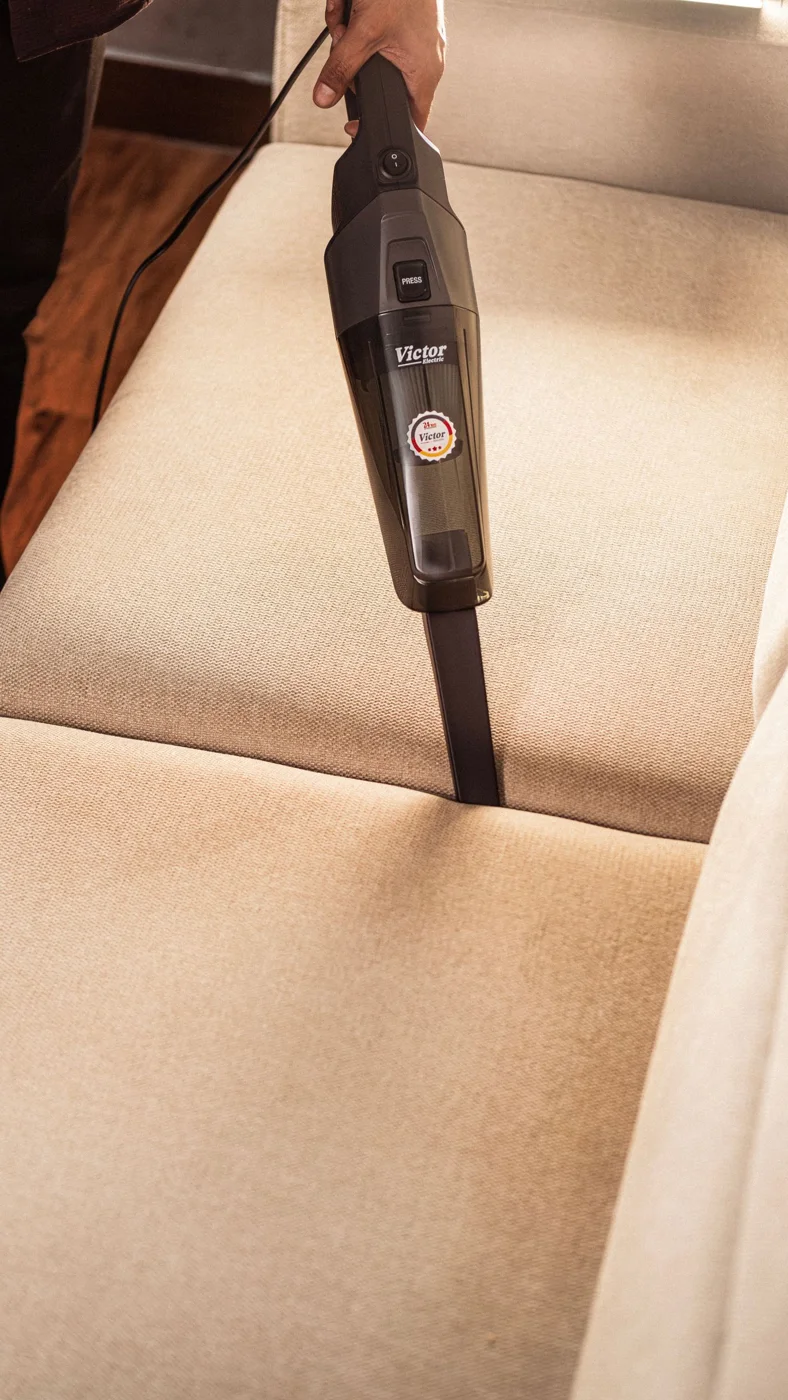
Vacuuming the seat of a fabric sofa
Living room with a fabric sofa

THE WORK, AGREED BEFORE YOUR VISIT

Which upholstered pieces need attention?

Make an itemised furniture list. Chairs, loose cushions and fixed upholstered panels may need different access arrangements and material checks.

Chairs and armchairs

Count each piece and describe the seat, arms and back where covered. A dining chair with a small fabric pad differs from a padded armchair. Photographs should show the full piece as well as marked areas. Include decorative trims or vulnerable seams that may affect how it can be handled.

Loose cushions

Explain which cushions are removable and whether their covers have care labels. Do not assume a zipped cover can be machine-washed or treated independently from its filling. Colour differences and shape changes may follow unsuitable handling. Include cushions in the quotation rather than leaving their number unspecified.

Fixed upholstered surfaces

For a headboard or other fixed piece, show the surrounding space and how the fabric can be reached. Electrical fittings, attached timber and the surface behind it may affect access. Removing or dismantling furniture is not an automatic cleaning task. Agree what will stay fixed and any areas that cannot safely be reached.

Stains and wear

Give the history of spills and previous products. Marks on frequently touched arms can involve soil, body oils and wear in different proportions. Cleaning will not restore worn fabric or a damaged seam. Explain changes in colour or texture so the likely result can be discussed against the actual condition.

Living space with a sofa and rug

Treat each covering on its own information

Care labels and maker’s advice help establish the restrictions for a piece. Similar-looking fabrics can behave differently, while trims or backing may complicate the work. If you cannot identify the material, say so. The decision should rest on assessment, not on the belief that every upholstery method is safe for every chair.

Keep leather distinct from fabric: leather cleaning concerns a finish that needs its own care. For a fabric sofa with several seat sections, our sofa cleaning guide explains the layout details to provide. Those differences help the enquiry stay specific.

Arrange the room around the furniture

Move small possessions out of the working area and explain the route to each piece. Agree whether furniture will remain in place. Do not dismantle a headboard or drag a fragile chair across the floor just to prepare it. Tell us about loose legs, torn fabric or parts that cannot be handled normally.

Allow for the advice on drying and return to use. Furniture needed immediately after the appointment may require a different date. Keep children and pets away from the working area, and do not replace cushions or cover treated fabric until the relevant instructions permit it.

YOUR CLEANING QUOTATION

Getting a quotation for several pieces

Provide a count, photographs, sizes where useful and a list of marked areas. Include your postcode, access restrictions and care information. A collection of lightly used dining chairs differs from large padded seating with substantial build-up. Name loose cushions or separate upholstered panels so nothing is implied by a vague furniture count.

If you are arranging a wider home clean, list upholstery treatment independently from ordinary housework. Confirm included surfaces, preparation and any handling limits. The price guide explains why a quotation needs to follow the actual pieces and condition.

Home interior and furnishings

Care between appointments

Follow the manufacturer’s routine care guidance and suitable advice after cleaning. Deal with spills without scrubbing the fabric or layering several household products. Keep a note of what happened and what was applied. That is useful evidence if a mark later requires assessment.

Inspect seams, filling and fixed supports separately from the covering. A clean does not repair loose upholstery, replace padding or make damaged furniture safe to sit on. If a remaining concern relates to construction rather than dirt, arrange the appropriate repair discussion instead of repeated surface treatment.

USEFUL ANSWERS

Upholstery Cleaning: your questions

Can you clean upholstered dining chairs?

Describe and count the chairs, showing their fabric and seat construction. The enquiry should include care labels and marks. Small upholstered sections still need material assessment and suitable access, rather than being treated as automatically straightforward.

Are loose covers always washable?

No. A zip only shows how a cover is attached. Follow its care label and discuss the filling, trims and risk of a mismatch with fixed fabric. Do not remove and wash it merely to prepare for the appointment.

Does cleaning include furniture repairs?

No. Torn seams, loose supports or damaged filling need separate attention. Point them out before the visit so the cleaning plan respects the condition and does not imply that treating the fabric will fix the structure.

About the photographs

These are illustrative stock and reference photographs of cleaning tasks, materials or interiors. They are not photographs of our staff or completed customer jobs.

MY CLEANERS OXFORD

Let’s discuss your upholstery cleaning.

Tell us what needs attention and when you would like the visit. We’ll discuss the cleaning scope and a quotation before you book.

Call Now ↗