Seats and frequently touched areas
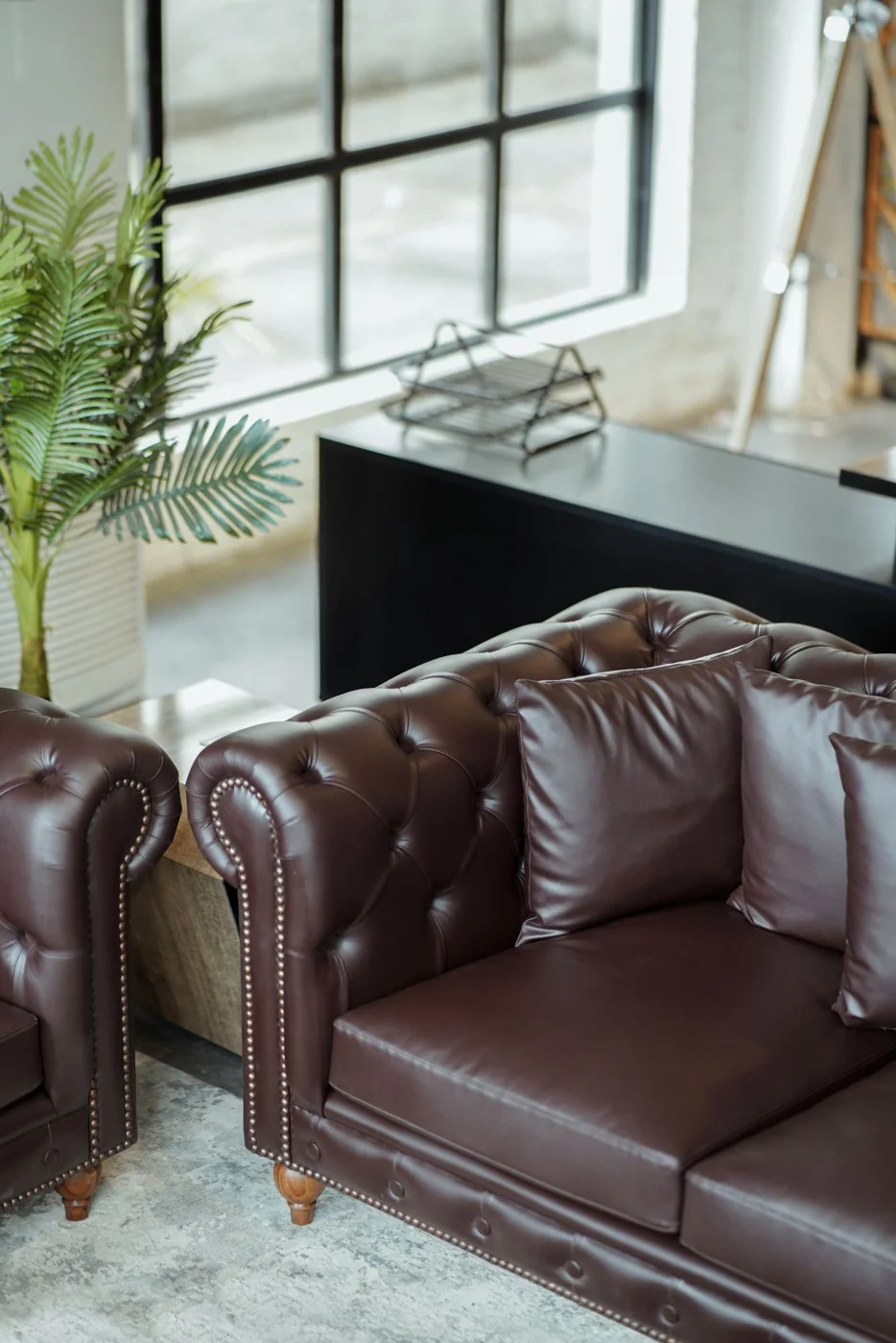
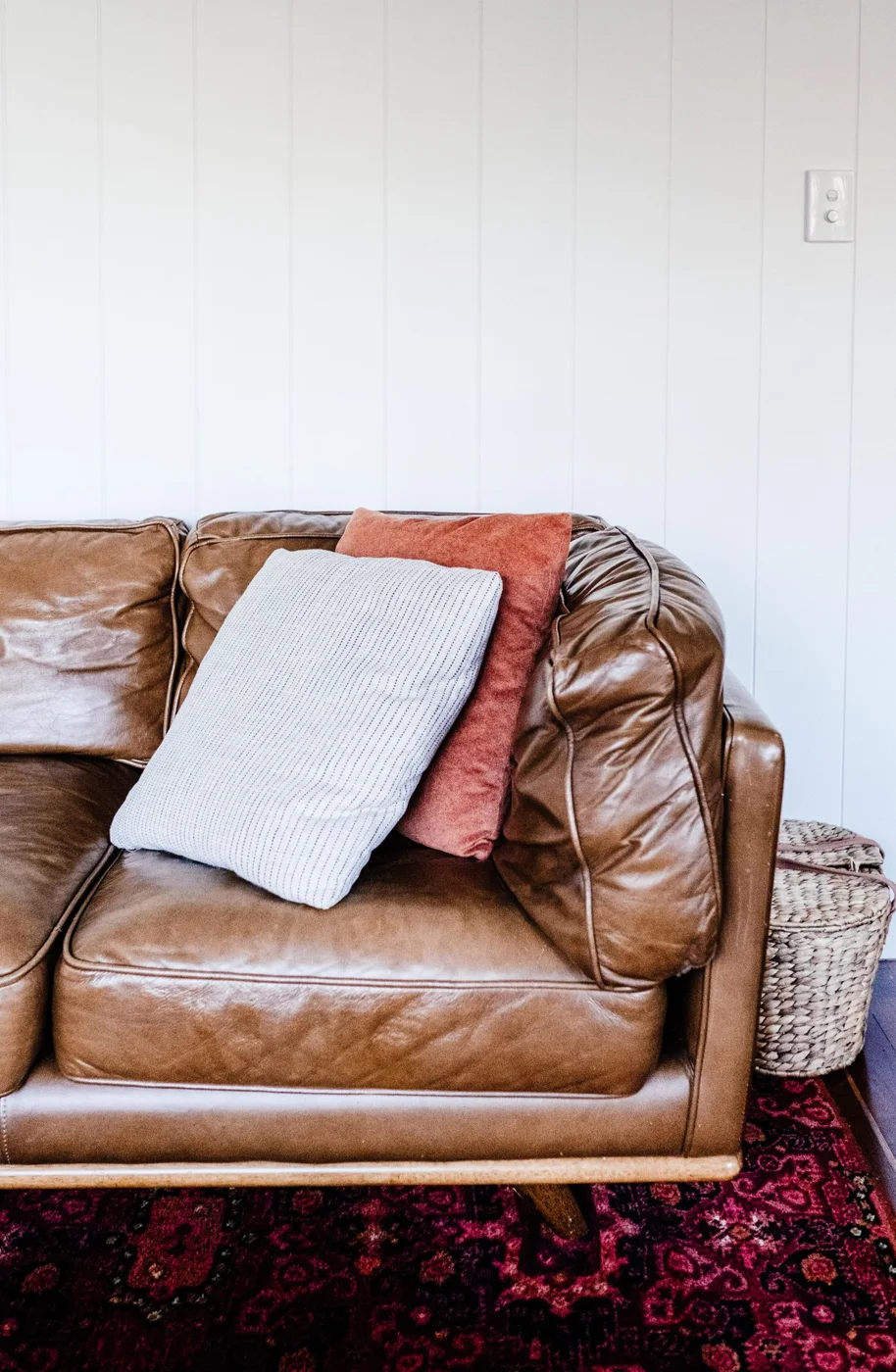
Identify the seats, arms and back cushions needing attention. Light surface soil differs from ingrained discolouration or worn finish. Show the places used most often alongside a less-used area for comparison. The assessment needs the condition of the covering, not just the number of people who can sit on it.
Finish and maker's guidance
Provide manufacturer information where available. Protected, aniline and other finishes can require different decisions, while imitation materials should not be assumed to behave like leather. If you do not know the finish, say so. Choosing treatment by colour or price alone does not establish what the surface will tolerate.
Seams, panels and movement
Point out weak stitching, cracks and areas where the covering is already damaged. Explain recliner mechanisms or fixed parts limiting access. Cleaning around those features is different from repairing them. Agree movement of the sofa rather than pulling a heavy frame across the floor or dismantling panels yourself.
Stains and earlier products
Tell us whether a mark followed a spill, a dye transfer or a home treatment. Show the whole affected panel as well as a close-up. Do not add oil, conditioner or a household remedy just before assessment. That can change the surface and makes the original condition harder to understand.