Slatted coverings
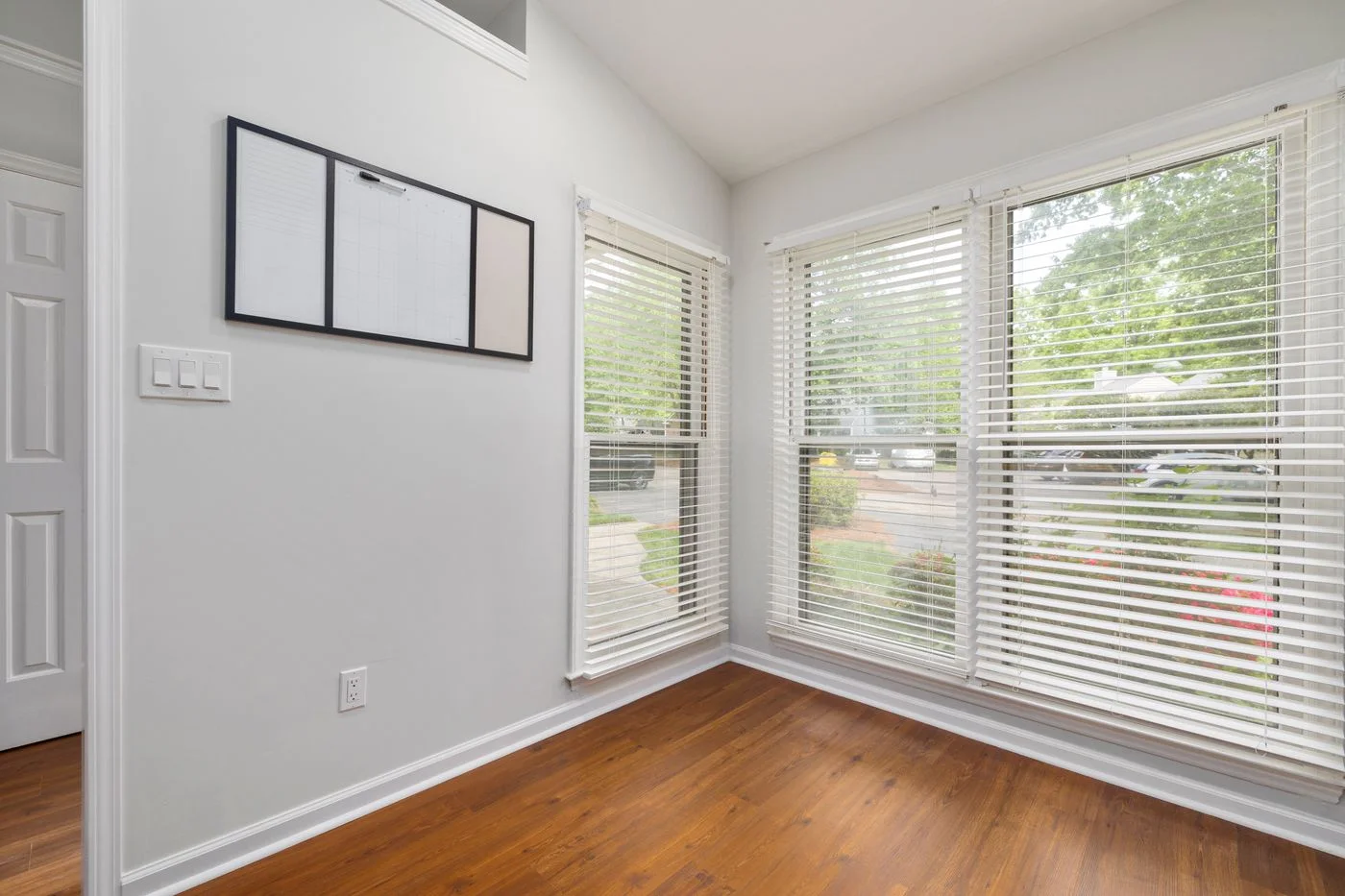
Describe the slat material and count the blinds. Accessible dust and residue on a suitable slat differ from damaged finish, warped parts or a broken mechanism. Explain whether the blind can be operated normally. Cleaning should not involve forcing it open or placing strain on an already faulty fitting.
Rollers and fabric surfaces
Look for information about the fabric or coating and photograph the whole covering. A spill, moisture mark and sunlight change may need different assessments. Do not soak or scrub the covering before asking about care. The fact that a roller is fitted near a kitchen or bathroom does not prove it tolerates washing.
Pleats and layered designs
Include pleated, cellular or layered construction specifically in the enquiry. Shapes and internal spaces affect handling. Material care needs to respect the assembled covering, not treat it as a flat piece of cloth. Share the label or maker’s details where possible and point out any weak or crushed sections.
Fittings and window access
Show the blind, frame and nearby furniture so access is understandable. Explain high windows or obstacles rather than standing on an improvised support to prepare them. Removal and refitting should be discussed independently. A cleaning booking does not automatically include adjustment of cords, motors or brackets.